
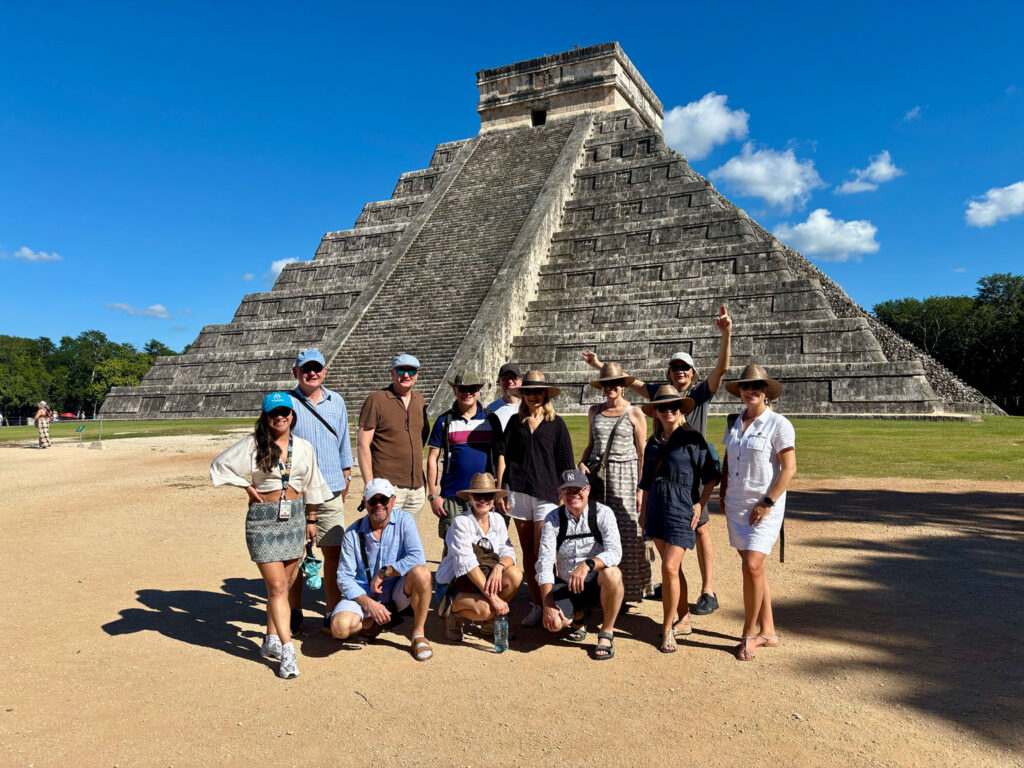
Exploring Mexico City is about much more than visiting landmarks or taking photos. It is about walking through centuries of history, discovering living traditions, and understanding how one of the world’s largest and most fascinating cities became the cultural heart of Mexico.
And while exploring the city on your own can certainly be exciting, experiencing it alongside a true expert changes what you take home. Not just the photos. The understanding.
Many travelers ask the same question before booking: is hiring a tour guide really worth it? The short answer is yes. But there is something more important to consider first: not all “experts” offer the same kind of experience. The credential behind the title matters more than most travelers realize, and in Mexico City, the difference between a certified guide and a working historian is significant.
What Does a Certified Tour Guide Actually Do in Mexico?
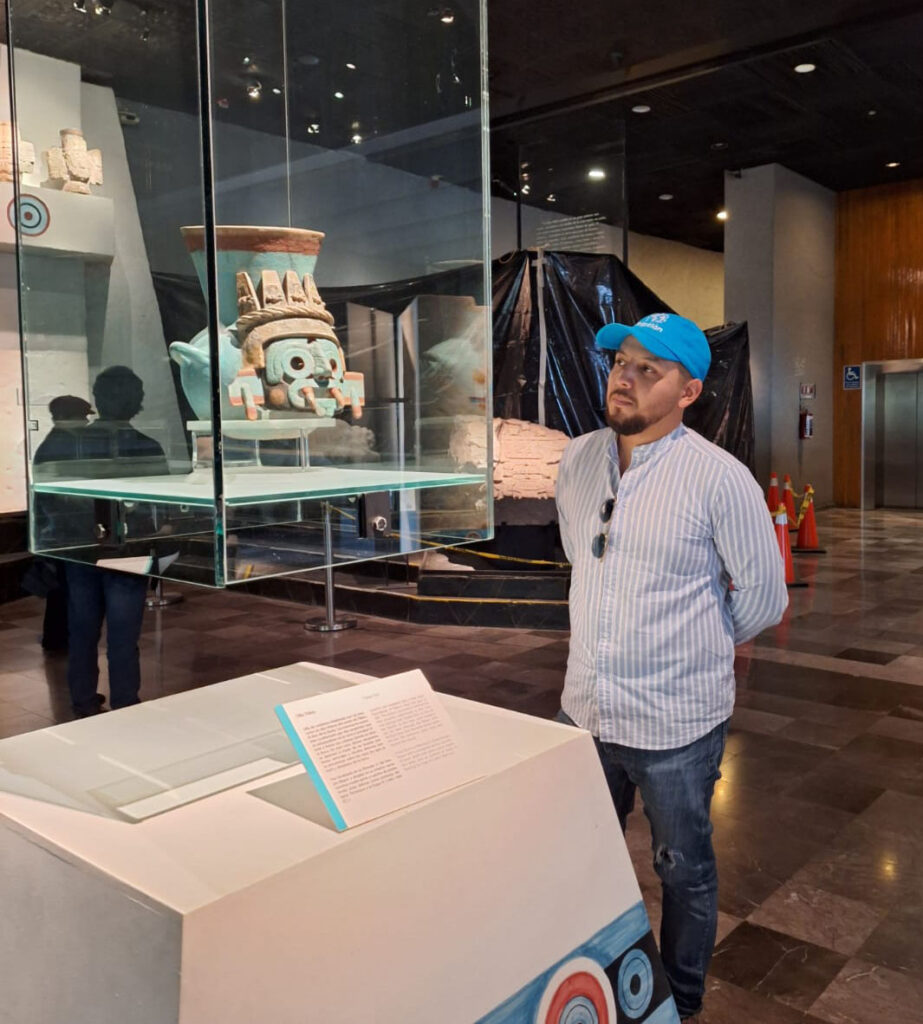
In Mexico, earning a general tour guide certificate requires 510 hours of theoretical and field training. Candidates must score 80% or higher on exams, pass an English language assessment, and complete a first aid course.
Course topics include archaeology, general history of art, pre-Columbian art, colonial art, modern and contemporary art, ethnography, folk art, tourist geography, and the history of Mexico.
Guides receive certification in one of four categories: general tour guide, specialized local area guide, adventure guide, or nature guide.
Mexico’s federal tourism board SECTUR maintains a complete national registry of authorized guides, listing each guide’s name, certification ID number, languages spoken, and credential expiration date.
A good certified guide knows how to create a smooth, engaging, and safe experience. They understand the city’s dynamics, the best routes, the timing, and how to adapt a tour for different types of travelers. Many speak English and other languages, which matters for international visitors. These are real skills, and a certified guide delivers genuine value.
However, there is one thing the certification does not require:
a certified guide does not necessarily hold a university degree in History or Archaeology.
The program is comprehensive, but it is not the same as four years of academic specialization in a specific historical period or culture.
What Does a Historian Bring That a Certified Guide Cannot?
A professional historian’s training is a different kind of preparation entirely.
The Escuela Nacional de Antropología e Historia, known as ENAH, is one of the most prominent centers for the study of Anthropology and History in the Americas. Founded in 1938 and operated by INAH, Mexico’s national authority for archaeology and cultural heritage, it offers bachelor’s and postgraduate degrees across history, archaeology, linguistics, ethnology, and physical anthropology.
ENAH exists to train specialists capable of conducting research across anthropological disciplines and history, in dynamic dialogue with new theories, methodologies, and the great national problems of Mexico.
Graduates are not taught to recite history. They are trained to interpret it, to read the layers of a city and explain why they matter.
This distinction becomes concrete the moment you stand in front of something significant. When a historian talks about the Zócalo, they do not simply tell you what happened there. They help you understand how pre-Hispanic, colonial, and modern Mexico continue to coexist in a single plaza, and why that coexistence is still contested today. When a historian describes a carved inscription in the National Museum of Anthropology, they can read it, not summarize what others have written about it.
The difference shows up in the details:
- Stories that do not appear in any guidebook because they come from primary research.
- Connections between architecture, political power, and cultural identity that only make sense with academic context.
- The human stories behind major historical events, told with the specificity that comes from years of study.
- The ability to answer complex questions and genuinely adapt the conversation to what you care about most.
The Combination That Changes Everything
The most meaningful tour experiences happen when both worlds meet: a guide who holds genuine academic credentials and also has the professional skills to make that knowledge accessible, engaging, and tailored to you.
This is rarer than it sounds. Academic depth and the ability to lead a dynamic, personalized tour are two different skills. When someone has both, the experience stops feeling like a lecture and starts feeling like a conversation with someone who has spent their life inside the subject.
For travelers visiting Mexico City for the first time, this distinction changes everything. It is no longer just about seeing the city. It is about understanding it in a way that stays with you long after you fly home.
Meet Triptlán’s Historians
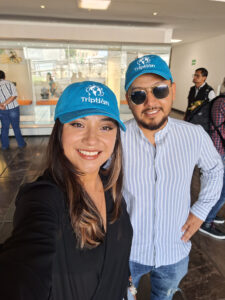
Karla Cruz holds a degree in History from ENAH, Mexico’s specialist institution for anthropology and history, operated by the federal government. Born and raised in Mexico City, she designs tours built around the city as a living archive: hidden plazas, neighborhood microhistory, and the cultural layers that generalist tours walk past without noticing. Karla does not lead sightseeing. She leads interpretation.
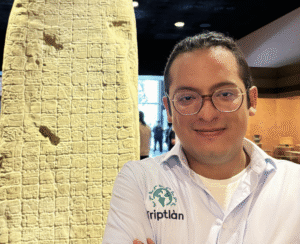
Ángel A. Sánchez Gamboa is a historian and epigrapher affiliated with INAH, Mexico’s national authority for archaeology, museums, and cultural heritage. He holds a degree in History from UNAM and is currently pursuing graduate studies in Art History. He is co-author of Monumentos escultóricos de Palenque, published by INAH and the Secretaría de Cultura, and has been conducting active field research on archaeological collections in Chiapas since 2015. When Ángel stands in front of a Maya stele, he does not read from a script. He reads the inscription itself.
Unlock the Secrets of the Maya with Ángel at the National Museum of Anthropology: an exclusive tour of the museum’s hieroglyphic inscriptions that cannot be found anywhere else in Mexico City.
Is Booking a Tour in Mexico City Worth It?
Absolutely. But the more useful question is: what kind of guide do you actually want?
A certified guide will give you a well-organized, informative, and enjoyable experience. If your goal is to see the main sites efficiently and comfortably, that is exactly what you will get.
But if your goal is to understand what you are looking at, to leave Mexico City with more than photographs, to have the kind of conversation about history and culture that you will still be thinking about on the flight home, then the credential behind your guide matters.
A great guided experience can help you:
- Understand Mexican culture at a level that goes beyond the surface.
- Discover places and stories you would never find on your own.
- Feel more comfortable and confident navigating the city.
- Make the most of limited time without sacrificing depth.
- Leave with a genuine connection to what you experienced, not just a record of it.
When your guide holds a university degree from ENAH or an active research affiliation with INAH, every one of those things becomes more likely. The certification tells you someone passed an exam. The academic credential tells you someone has spent years inside the subject.
Explore our Mexico City history tours and find the experience that matches what you are actually looking for. If you have questions about our guides or want to design a custom itinerary, meet our team and tell us what matters most to you.
Because travel is not just about visiting places. It is about understanding them.
