
The National Museum of Anthropology and Its UNESCO Blue Shield: What Enhanced Protection Actually Means in Times of Conflict
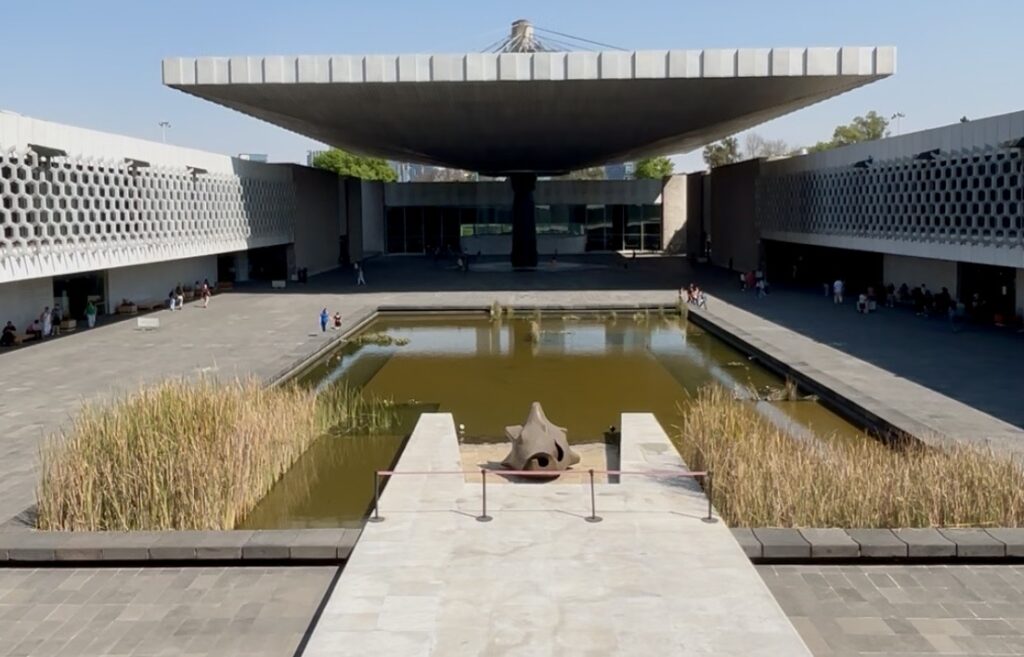
On March 24, 2026, the National Museum of Anthropology became the first museum in Latin America and the Caribbean to be placed on the UNESCO International List of Cultural Property under Enhanced Protection. For most visitors walking through Chapultepec Park that afternoon, nothing looked different. But the designation marked a legal threshold very few cultural institutions in the world have crossed.
What Is the UNESCO Blue Shield?
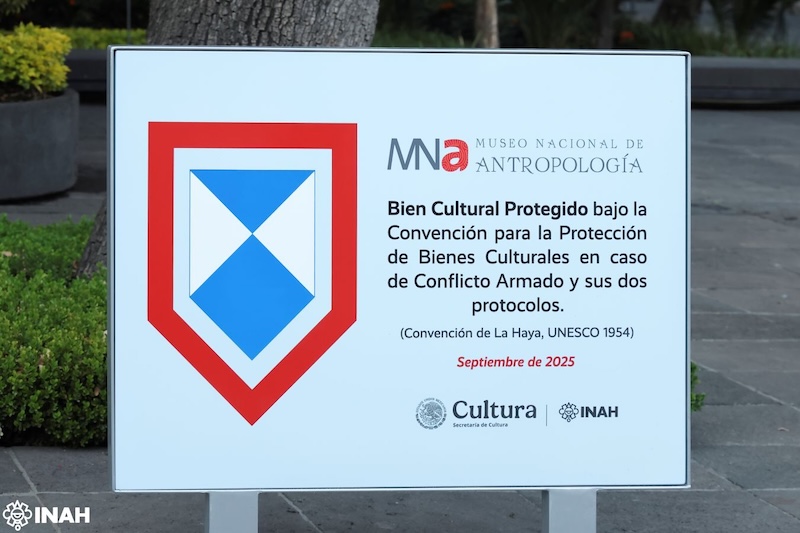
The Blue Shield is the highest level of protection available to a cultural site under international law, conceived from its founding as the cultural equivalent of the Red Cross. Established under the 1954 Hague Convention for the Protection of Cultural Property in the Event of Armed Conflict and strengthened by its 1999 Second Protocol, it is an international treaty through which signatory countries committed to preserving the most significant cultural property in the world, prohibiting its destruction or deliberate damage during wartime.
The emblem the museum now bears — a distinctive blue and white diamond shape outlined in red — marks it as what the international community considers heritage of inestimable value. The designation is not honorary. It carries legal weight. The plaques were installed at the museum’s main entrance and on the roof, the latter placed specifically to remain visible in satellite imagery during a crisis.
Why the National Museum of Anthropology?
To understand why this museum specifically received the designation, you have to understand what it actually holds.
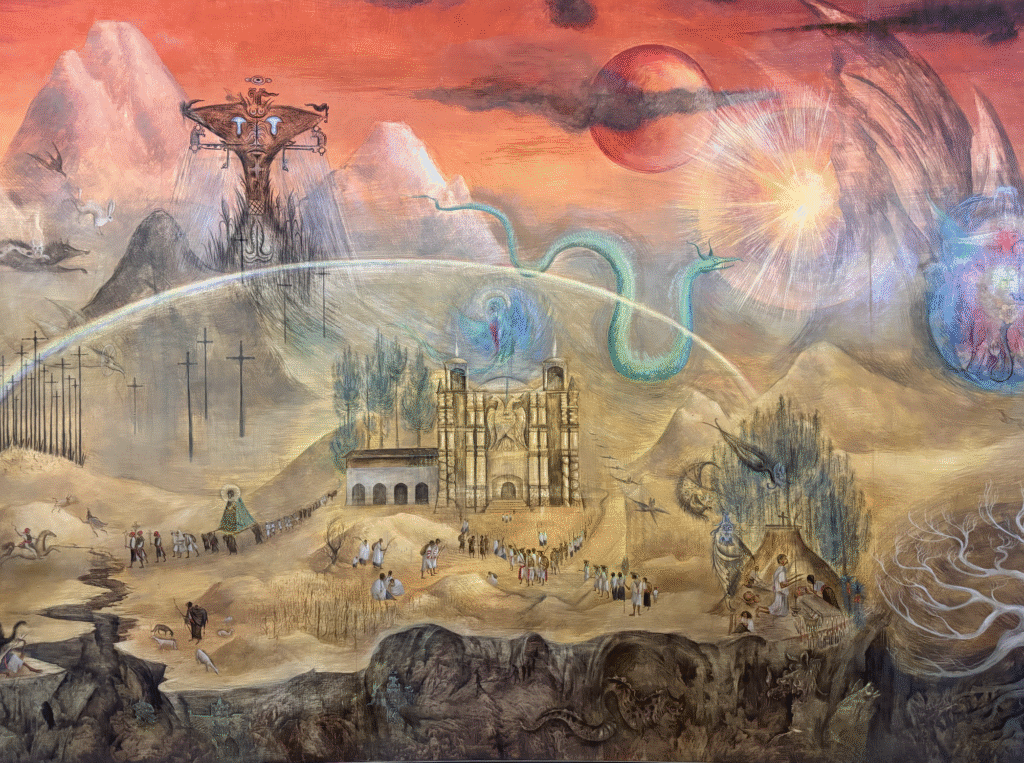
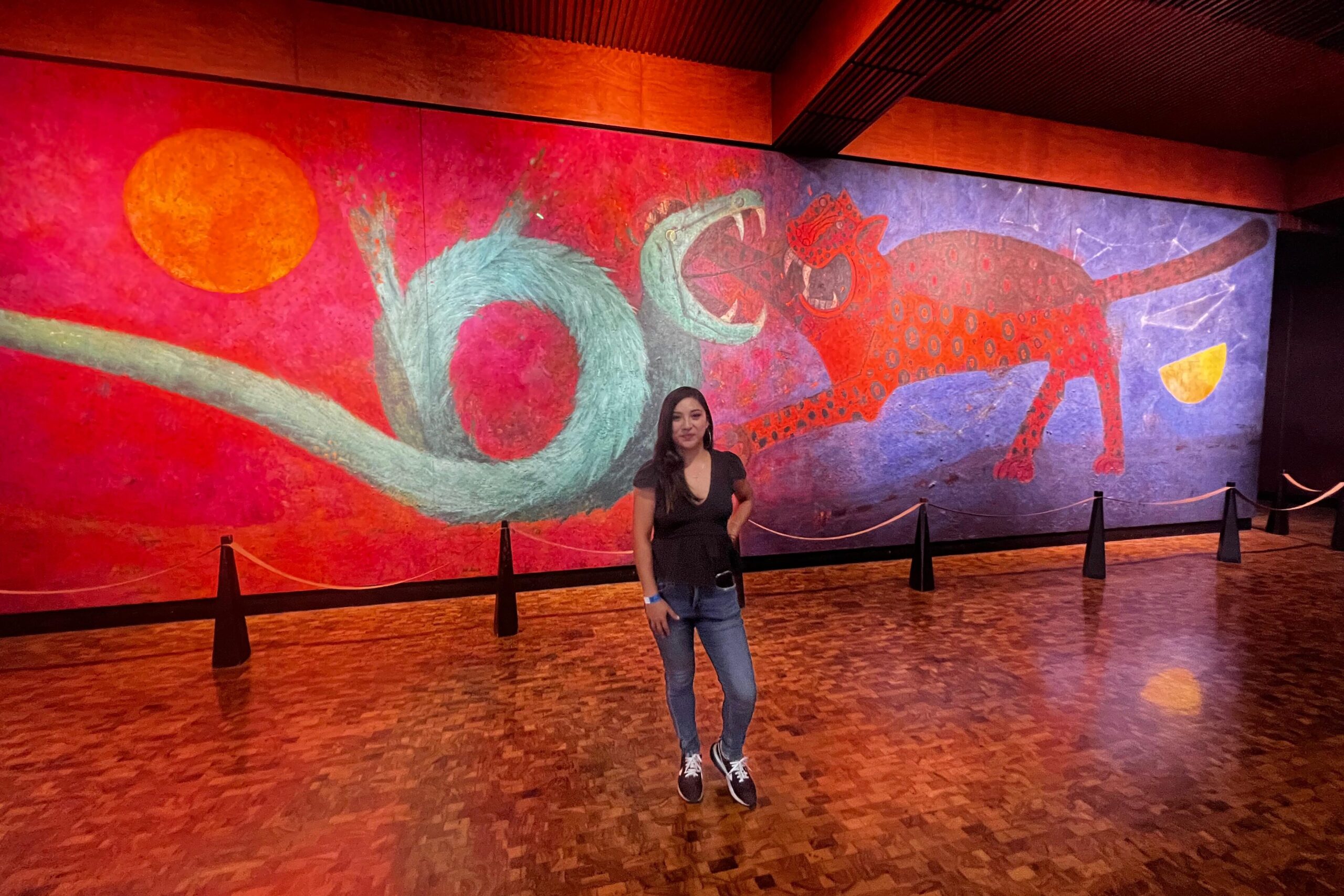
Its permanent collection spans 22 galleries across more than 40,000 square meters, housing hundreds of iconic Pre-Columbian pieces, significant works by Rufino Tamayo and Leonora Carrington, and indigenous art created by Mexico’s diverse ethnic groups, offering visitors a window into the country’s vast cultural wealth. The building itself, designed by Pedro Ramírez Vázquez and inaugurated in 1964, is an architectural landmark, its central courtyard anchored by one of the largest concrete canopies in the world, a structure that echoes the civilizations it was built to honor.
Taken together, the collection and the building represent a category of cultural significance that the Instituto Nacional de Antropología e Historia (INAH) has spent decades preserving and documenting, and that UNESCO determined warranted the highest level of international legal protection available.
A First for Latin America and the Caribbean
With this designation, the National Museum of Anthropology becomes the only museum in all of Latin America to hold UNESCO “enhanced protection” status. This is not a regional milestone by accident.
The museum welcomed a record 3.7 million visitors in 2024, making it the most visited museum in Latin America. In 2025, it received the Princess of Asturias Award for Concord, one of the most prestigious cultural recognitions in the Spanish-speaking world. These distinctions do not exist in isolation. They reflect decades of institutional commitment to rigorous scholarship, responsible stewardship, and public access to Mexico’s heritage.
The UNESCO Blue Shield adds a third layer to that recognition, and it is the one with legal teeth.
What “Enhanced Protection” Actually Covers
The protocols of the Hague Convention are internationally binding. Any nation that violates them faces severe sanctions and could be held accountable for war crimes under international law. The Blue Shield designation means that even in the worst conditions, even when normal institutional protections fail, there is an international legal framework specifically designed to prevent this museum from becoming a casualty of conflict.
What This Means for Visitors Today
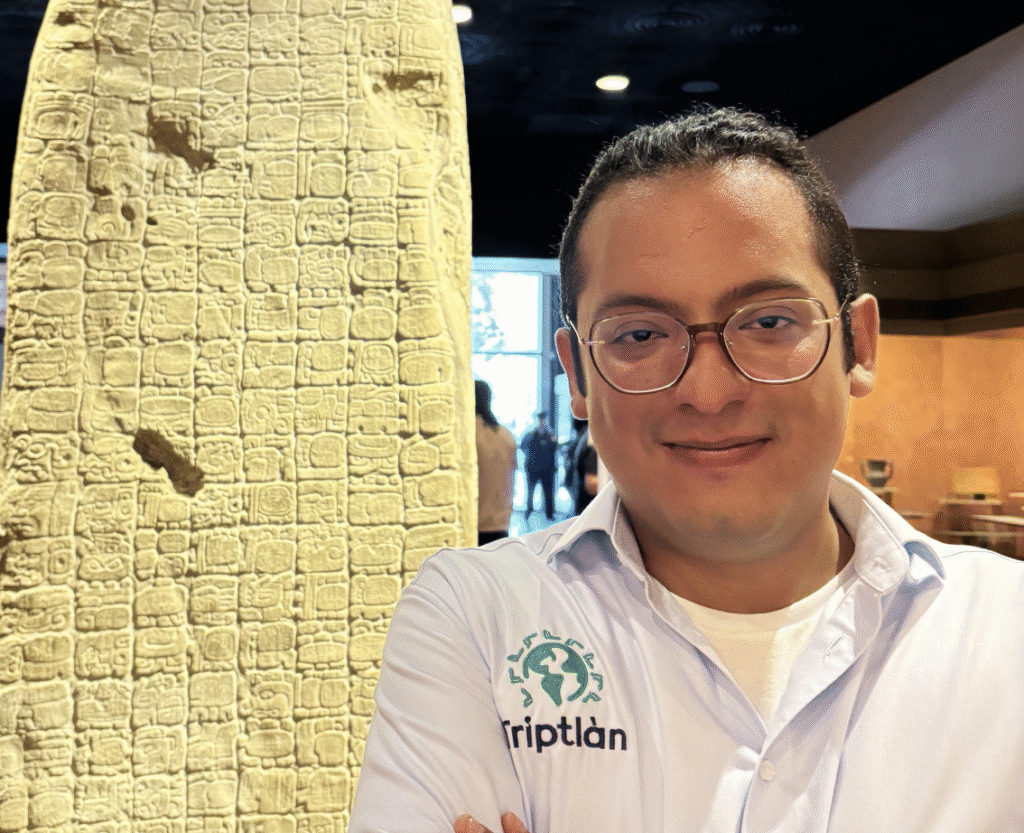
The Blue Shield designation does not change what you see inside the museum. The 22 permanent galleries, the Mexica Sun Stone, the Maya epigraphy collection, the murals by Rufino Tamayo — they are all where they have always been. What changed is what stands between that collection and the worst that history can deliver.
Visiting the National Museum of Anthropology now means visiting an institution the international community has formally identified as irreplaceable. It also means that what you are looking at, every stele, every glyph, every painted surface, has been determined to belong not just to Mexico, but to human history.
If you want to understand what you are looking at inside this museum, not just see it, our private historian-led tour of the National Museum of Anthropology is designed exactly for that. For visitors with a particular interest in the Maya collections, Ángel, an active INAH-affiliated epigrapher, offers an exclusive tour of the museum’s hieroglyphic inscriptions that cannot be replicated anywhere else in Mexico City.
